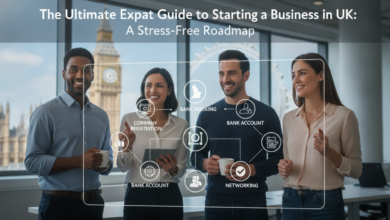
Introduction: Can You Start a Small Business in UK as an Expat?
So, you’ve moved to the UK and have a brilliant business idea brewing? Whether it’s a cozy cafe in Manchester or a freelance consultancy in London, you might be wondering if you can actually start a small business in UK as an expat. The short answer is: absolutely! The UK is known for being one of the most business-friendly countries in the world. However, there are a few specific hoops to jump through, especially regarding visas and tax registrations.

1. Check Your Visa Status First
Before you dive into logos and branding, you need to ensure your visa allows you to be self-employed. If you want to start a small business in UK as an expat, you typically need a specific visa type. This could be an Innovator Founder visa, a High Potential Individual visa, or even a Skilled Worker visa under certain conditions. Always check the latest Home Office guidelines to ensure you have the legal right to work for yourself.



2. Choose Your Business Structure
Deciding how to set up your business is a major step. Most expats in the UK choose between these two common paths:
- Sole Trader: This is the simplest way to start. You and the business are seen as a single legal entity. You keep all profits after tax but are personally liable for any debts.
- Limited Company: This is a separate legal entity from you. It involves more paperwork and reporting to Companies House, but it usually offers better protection for your personal assets and can be more tax-efficient.
3. Registering with HMRC
To legally start a small business in UK as an expat, you must notify HM Revenue and Customs (HMRC). This is vital for paying your taxes and National Insurance. If you go the sole trader route, you’ll need to register for Self Assessment. If you start a limited company, you’ll need to register for Corporation Tax. Even if you are starting small, keeping your books in order from day one will save you a massive headache later on.
4. Open a UK Business Bank Account
Mixing personal and business finances is a recipe for confusion. Most UK banks offer specialized accounts for small businesses. To open one, you will usually need proof of your ID, proof of address in the UK, and your business registration details. Many expats also find digital-only banks like Monzo or Revolut Business very easy to set up when first starting out.
Final Thoughts
Starting your own journey might feel a bit daunting at first, but the rewards of being your own boss are totally worth it. With the right preparation and a bit of patience, anyone can start a small business in UK as an expat and thrive in this vibrant economy. Just take it one step at a time and don’t be afraid to ask for professional advice if you get stuck!